• You're one step from joining Hand Tools Forum – Reviews, Techniques & DIY Applications.
    Create a free account to post, follow threads, and never miss an update.  Sign up free →

Maul identification and repair

hoarder

New member
Joined
May 16, 2025
Messages
4
City & State/Province
New Zealand
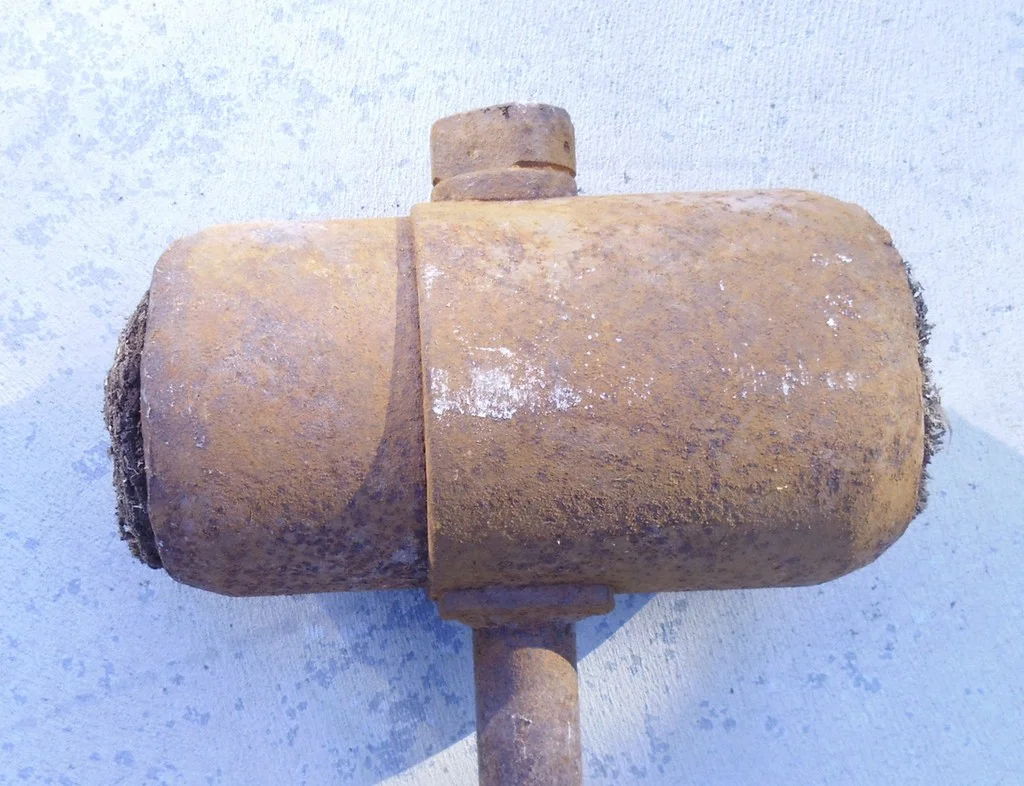
Just bought for greenwood logsplitting. 12Kg monster Handle has '<H-M> 1941' on one side and 'Mallet 40MM' on the other.

Need to replace the wood insert and having trouble removing nut from handle.
As the wood insert is so degraded from outdoors storage I am looking to burn it out and then see what can be accessed from within.

Any suggestions and or history most appreciated.
 

Attachments

  • Screenshot from 2025-05-20 13-17-35.webp
    Screenshot from 2025-05-20 13-17-35.webp
    41.9 KB
  • Screenshot from 2025-05-20 13-16-50.webp
    Screenshot from 2025-05-20 13-16-50.webp
    137.1 KB
Have you tried PB Blaster to loosen the nut?

Heat from a blow torch can also help break a nu loose.

AI says...

The image shows a Soviet Union-era sledgehammer, likely used for heavy manual labor. Additional information:
  • It is a heavy-duty tool designed for tasks requiring significant force, such as breaking rocks or demolishing structures. [1]
  • The head is made of metal, and the handle appears to be metal as well, indicating durability. [2]
  • Sledgehammers like this were common in the Soviet Union for construction, mining, and other heavy industries. [1, 3]
  • The hammer and sickle symbol, often associated with the Soviet Union, is not visible on this particular tool. [4, 5]
  • Such tools may be found in antique shops or collections of Soviet-era artifacts. [6, 7]
AI responses may include mistakes.
[1]
[2] https://www.ebay.com/itm/284959780474
[3] https://en.wikipedia.org/wiki/203_mm_howitzer_M1931_(B-4)
[4] https://en.wikipedia.org/wiki/Hammer_and_sickle
[5] https://www.historyextra.com/period/20th-century/hammer-sickle-communism-soviet-symbol-why/
[6] https://www.etsy.com/listing/1702904062/large-heavy-primitive-wooden-hand-made
[7] https://www.etsy.com/uk/listing/1485645844/antique-wooden-barn-beam-dowell-peg


Ben
 
Have already tried heating with a torch to no avail.

That AI summary gave me a good chuckle
1-obvious
2-ditto
1&3- it is stamped in English so not Soviet.
4&5 - Explained as above^
6&7 - Not even close.
The https links given by Ai even more wide of the mark. lol.

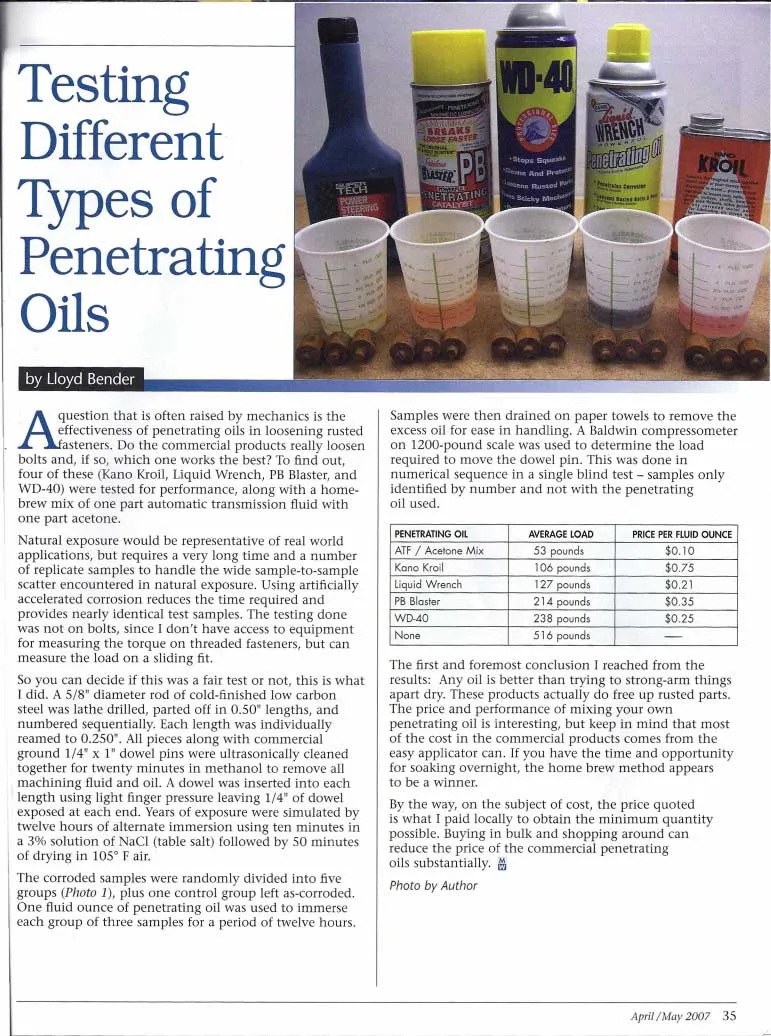
Currently trying the diy liquid for a good soak...50/50 ATF & Acetone as PB-Blaster has been woeful in the past. See attached.
Machinist-Magazine-April-2007-penetrating-oil-comparison-min.webp
 
Have already tried heating with a torch to no avail.

That AI summary gave me a good chuckle
1-obvious
2-ditto
1&3- it is stamped in English so not Soviet.
4&5 - Explained as above^
6&7 - Not even close.
The https links given by Ai even more wide of the mark. lol.

Currently trying the diy liquid for a good soak...50/50 ATF & Acetone as PB-Blaster has been woeful in the past. See attached.
View attachment 10
Thanks.

Repeated heating and cooling may invoke enough expansion and contraction to bust loose the welds of rusted threads.

I would be interested in seeing more images and your progress.

Ben
 
Heat. Penetrant. Tap tap with a small hammer. wiggle with a wrench. Sit overnight. Repeat.

It may take a while but I've removed some very rusted fasteners this way.
 
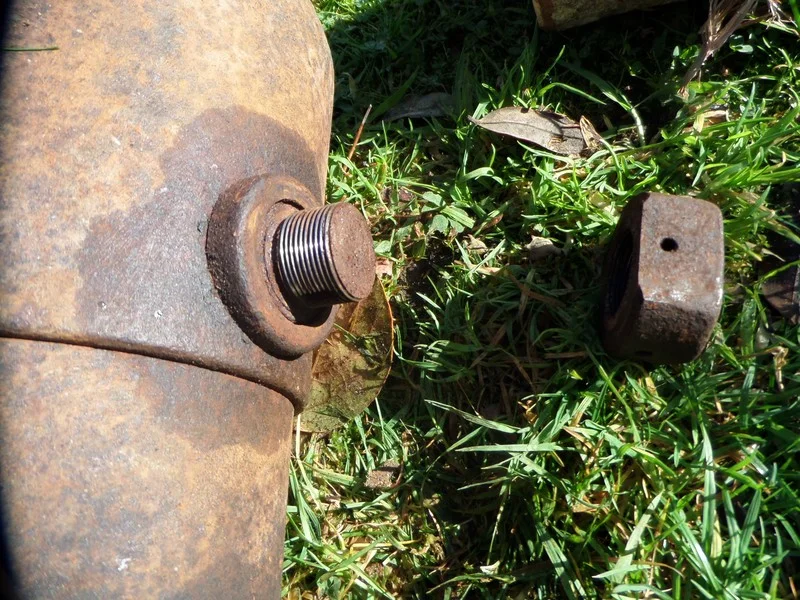
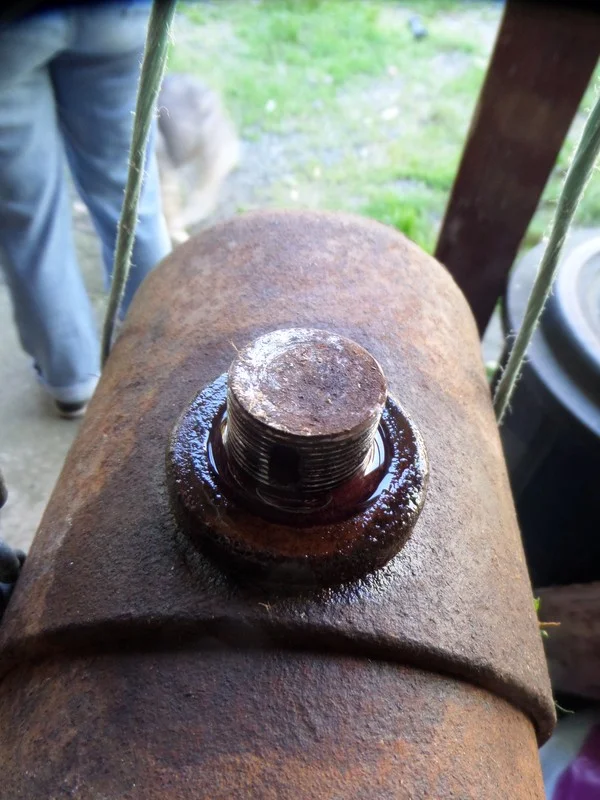
Progress... The nut is off image1
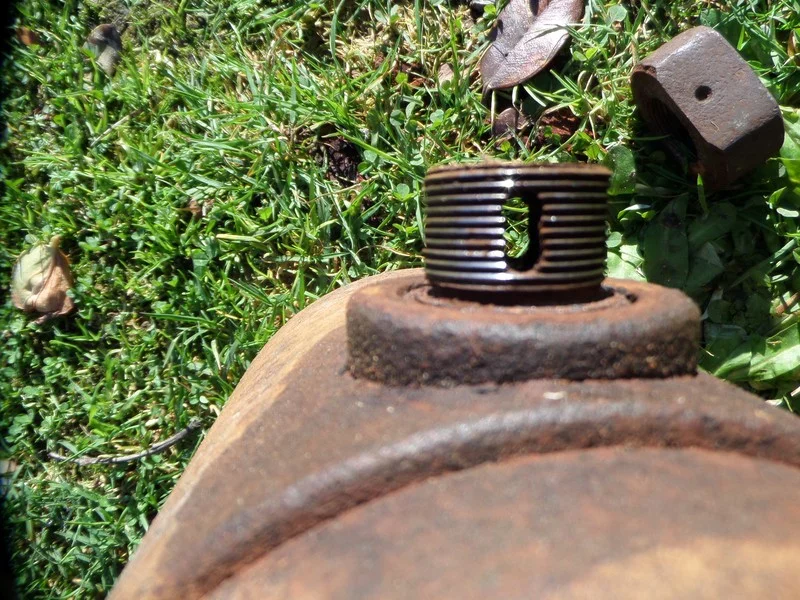
As I had surmised from the 4 holes in the nut there would have originally been a roll-pin to secure the nut once in place.(not installed so perhaps there had been a previous attempt to disassemble) image2
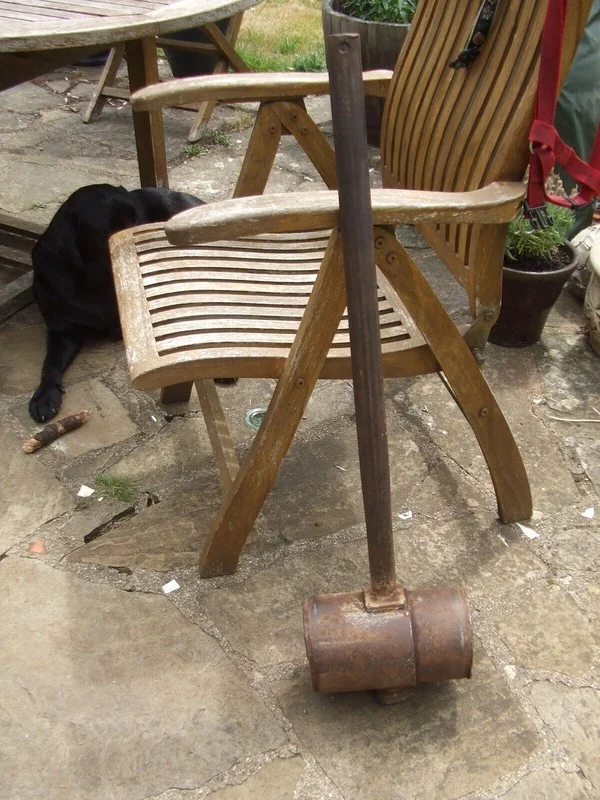
Now I have it hanging head-upright from a beam waiting for the ATF+Acetone to work its way down the shaft. image3

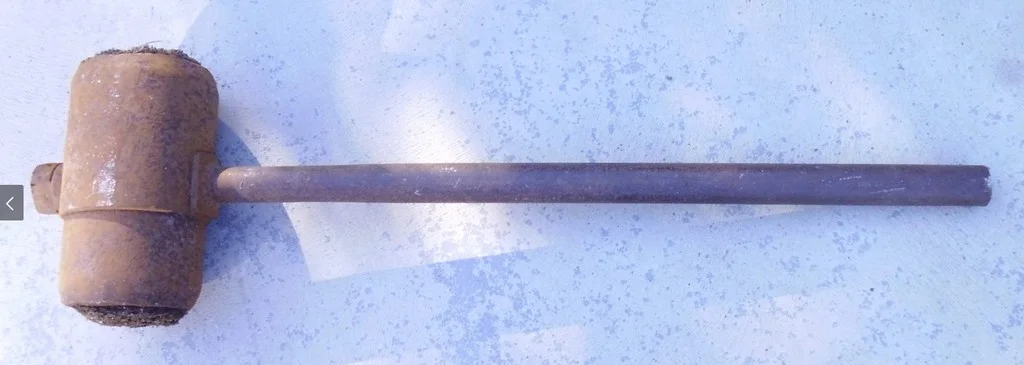
This is such a well engineered bit of kit! Now I really need to find out about the history and manufacture. I know it is not a one off as another (much abused) is posted on ebay. image4
 

Attachments

  • SAM_2480.webp
    SAM_2480.webp
    149 KB
  • SAM_2486.webp
    SAM_2486.webp
    138 KB
  • SAM_2488.webp
    SAM_2488.webp
    76.4 KB
  • s-l16005.webp
    s-l16005.webp
    113.2 KB
Progress... The nut is off image1
As I had surmised from the 4 holes in the nut there would have originally been a roll-pin to secure the nut once in place.(not installed so perhaps there had been a previous attempt to disassemble) image2
Now I have it hanging head-upright from a beam waiting for the ATF+Acetone to work its way down the shaft. image3

This is such a well engineered bit of kit! Now I really need to find out about the history and manufacture. I know it is not a one off as another (much abused) is posted on ebay. image4
A pin or safety wire.

Excellent work getting the nuts of.

Can you share close ups of the components?

Ben
 
Progress... The nut is off image1
As I had surmised from the 4 holes in the nut there would have originally been a roll-pin to secure the nut once in place.(not installed so perhaps there had been a previous attempt to disassemble) image2
Now I have it hanging head-upright from a beam waiting for the ATF+Acetone to work its way down the shaft. image3

This is such a well engineered bit of kit! Now I really need to find out about the history and manufacture. I know it is not a one off as another (much abused) is posted on ebay. image4
Google lens says photo 4 is

The image shows a World War II-era mallet, likely dated 1941. This tool is characterized by its large, flat head, often made of dense hardwood or cast iron, attached to a sturdy handle. It is designed for heavy work, delivering powerful blows without damaging the struck material. [1, 2, 3, 4]
Key features and uses:
  • Construction: Typically made with a cast iron head and a wooden handle, providing both weight and durability. [1, 3]
  • Purpose: Used for tasks requiring force, such as driving chisels, assembling tight-fitting joints, or shaping wood. [2, 4]
  • Handle: Handles are often made of woods like ash, oak, or hickory for strength. [5, 6]
  • Head Material: The head is often made of hard maple or beech. [5]
  • Weight: Can weigh between 14-16 ounces, depending on the wood density. [7]
  • Alternative Names: Sometimes referred to as a beetle mallet, particularly larger versions used by carpenters. [8]
  • Historical Context: This specific mallet dates back to 1941, indicating its use during World War II. [1]
AI responses may include mistakes.
[1] https://www.ebay.com/itm/166972498199
[2]
[3] https://lmfsinc.com/products/hand-t...ition-w-cast-iron-housing-and-hickory-handle/
[4] https://en.wikipedia.org/wiki/Mallet
[5] https://www.quora.com/What-kind-of-wood-makes-the-best-mallet
[6] https://www.croquet.org.uk/?p=games/tech/ChoosingMallet
[7] https://bluesprucetoolworks.com/products/rectangular-mallet
[8] https://www.reddit.com/r/whatisthisthing/comments/nzxu7y/huge_old_wooden_hammer_handle_30_long_weighs/

Ben
 
Really helpful responses, someone around me had questions about this same topic and had to refer them here. So someone has indirectly gained from you all here. Thank you all @Ben @bridger @hoarder this is what we like to see
 
Back
Top